 digest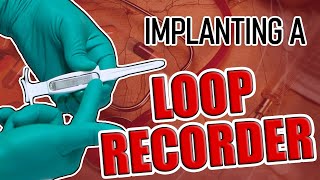
Short Summary
Main recommendation: A loop recorder implant is a simple, office-based procedure under local anesthesia that lets clinicians monitor heart rhythm over time to match arrhythmias with symptoms such as blackouts, or to rule out an arrhythmia as the cause. The device is monitored remotely from the patient's home, and Dr. Pradip Jamnadas says it is "totally underutilized."
Key Points
- The procedure is suited to patients with blackouts, suspected atrial fibrillation, or unexplained stroke, where the team needs to know whether blood thinners are necessary and what arrhythmias are occurring.
- If a patient blacks out and no arrhythmia is recorded, the result helps point toward other causes such as low blood pressure, low blood sugar, or seizures.
- Patients log symptoms on a home device, so the team can see what rhythm was occurring at the exact time a symptom happened.
- Removal is equally quick, roughly 5 minutes, performed through a small incision.
Details Worth Noting
- Concrete instructions: The implant is inserted through a small incision made after local anesthetic (lidocaine) is given, using a cartridge to deliver the loop recorder under the skin, and then closed with steri-strips. For removal, the doctor makes a small incision, grabs the device with a set of pinches, and pulls it out. Put-in and take-out each take about 5 minutes. After placement, the patient should avoid showering for 4 days to keep the area dry and let it heal, and steri-strips are left to fall off on their own. If there is minor superficial bleeding, hold pressure for about a minute before taping.
- Lidocaine numbness lasts about 20 minutes, which covers the insertion.
- The patient is given a small home device to log symptoms when they occur.
- Once in place, the patient typically does not notice the device.
Bottom Line
The loop recorder is a quick, low-invasive way to link heart rhythm data to symptoms, and the speaker presents it as a tool that is still underused in practice.


