digest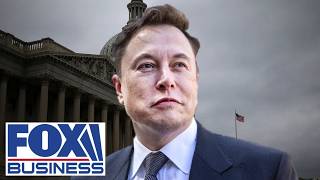
Short Summary
Main recommendation: The video presents Elon Musk's SpaceX Starlink expansion into mobile phone service as a potential fourth major US phone company, backed by a spectrum purchase, and frames it as a threat to AT&T, Verizon, and T-Mobile. The transcript does not give a clear action for viewers, so this is an analysis of market impact rather than advice. Experts disagree on whether the plan can succeed in the near term.
Key Points
- SpaceX says its new spectrum will power "Starlink Mobile," letting satellite signals penetrate building walls, and the report says the company spent up to $28 billion on this effort.
- AT&T, Verizon, and T-Mobile shares each fell more than 6% after SpaceX's move, according to the report.
- Verizon argues that owning spectrum alone does not provide the physical network needed for true nationwide coverage.
- An industry expert says building a terrestrial wireless network takes years, estimating 2030 to 2032 for a working service.
- The deal still needs approval, and FCC Chair Brendan Carr publicly celebrated the move on X.
Details Worth Noting
- Concrete instructions: The transcript contains no actionable steps, purchase advice, or setup instructions for viewers.
- A former SpaceX employee called the move "one of the most magnificent moves in telecom in the last decade," while the industry expert said Musk has an impressive track record but is starting almost from scratch.
- Michael Lee says existing Starlink satellite service already fills cell dead spots and that future Tesla vehicles could act as Starlink hot spots, giving SpaceX a cost advantage over building towers and fiber.
- T-Mobile already offers service with Starlink under the name T-Satellite, according to the discussion.
- Lee says satellite launches and spectrum purchases are already heavily regulated through the FCC, and that the earlier guest's estimate of 5G by 2028 is probably right, with wider service taking a few more years.
Bottom Line
The report suggests SpaceX's spectrum purchase could make it a serious competitor to major carriers, but the experts disagree on timing, and the required infrastructure and regulatory approval remain unresolved.