digest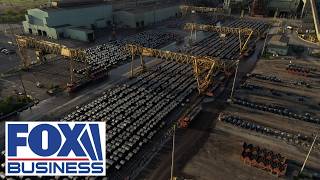
Short Summary
Main recommendation: Keep steel tariffs in place as the cornerstone of America's manufacturing renaissance, according to Steel Manufacturers Association executive vice president Brandon (name as given in the transcript). The speaker argues the tariffs are driving a wave of mill openings and investment and urges that the policy be sustained and spread to future administrations.
Key Points
- The speaker says manufacturing has had seven straight months of growth or expansion.
- Steel tariffs are credited with $47 billion in announcements and underway projects, and thousands of jobs.
- The largest investment in West Virginia history is cited as a $4 billion project, with mills opening across the country.
- The speaker says an upcoming economic impact study will show thousands more jobs and billions more in economic contribution over the next decade.
- The speaker argues the tariffs should not be reversed by future presidents, and that the policy has been consequential and historic for the industry.
Details Worth Noting
- Concrete instructions: The transcript gives no step-by-step instructions for viewers. Its only actionable advice is directed at policymakers: keep the steel tariffs in place and expect future presidents to follow the current administration's lead.
- The transcript says steelmakers earn on average $142,000 a year, which the speaker says supports families and communities.
- The host notes that the steel tariffs remained in place during the Biden administration, and asks the guest whether future presidents will remain supportive.
- The speaker cites JD Vance as an example of the steel industry's role in the American dream, noting the industry helped provide his family's opportunity, as mentioned by Vance.
- These are one-sided claims from industry and policy figures in the transcript; the job, investment, and earnings figures are not independently verified here.
Bottom Line
Viewers should treat this as an industry-side case for steel tariffs: the claimed investment and job numbers come from proponents, and the promised economic impact study has not yet been released.