digest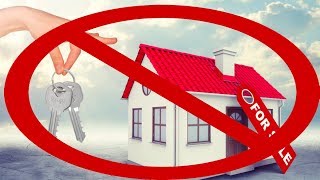
Short Summary
Main recommendation: Don't invest in real estate unless you are prepared to do substantial upfront work, understand the numbers yourself, plan to hold long term, have the time to manage it, and genuinely like real estate. Graham Stephan argues that most beginners who lose money in real estate simply don't understand the market, the cash flow, or the risk of leverage, and that short-term flipping is especially risky for newcomers.
Key Points
- Real estate is a long, slow payoff: Stephan describes eight months of searching, offer writing, and bank waiting before his first purchase, and says, in his experience, the payoff often comes years or decades later.
- If you cannot do the math on a property yourself, you are not ready to buy it; he says he gets emails daily asking "is this a good deal" and treats that as a sign the person is not prepared.
- Short-term flipping (holding roughly one to five years) is risky for beginners because leverage magnifies both gains and losses, and market direction is outside your control.
- Real estate is not truly passive early on; his first rental required daily visits, an hour's drive, and constant calls, and the first tenant month typically brings small repair issues.
- Investing in something you dislike, such as dealing with tenants or being tied to a location, will lead to missed details and lower returns.
Details Worth Noting
- Concrete instructions:
-
Before buying, build enough cash flow knowledge to calculate whether a property is a good deal on your own; if you can't, do not buy.
-
Before investing, learn the local market, values, and cash flow, and learn how contractors and setup work.
-
If you plan to hire a property manager, factor its cost into your numbers from the start, or skip investing.
-
Hold a property long enough to ride out market swings rather than planning a short sale within one to five years.
-
Don't invest if you are traveling often, living overseas, or investing out of state on your first property unless you understand the time commitment.
-
- Leverage example Stephan gives: with a $100,000 home and $20,000 down, a rise to $120,000 doubles your money on paper, while a $20,000 drop wipes out your entire down payment; he also gives a separate example where a property doubles to $200,000 and then drops 50%, leaving you $30,000 in the hole.
- He says his own time commitment has fallen from roughly daily work on his first property to about one hour per month total managing his rental properties after months of setup, with one property using a property manager.
- Stephan notes he personally was a full-time real estate agent for four years before buying his first property, which gave him insight into clients, cash flow, and pricing.
Bottom Line
Real estate rewards people who are willing to do the homework, hold patiently, and stay hands-on, and it is a poor fit for anyone seeking quick money or a fully hands-off income source.