digest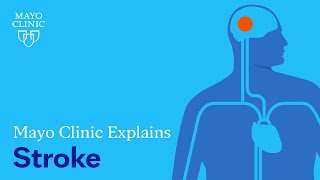
Short Summary
Main recommendation: If you or someone else shows possible stroke symptoms, call 911 or seek emergency care right away, even if symptoms come and go, because prompt treatment reduces brain damage and the risk of death or disability. The video explains the two main stroke types, who is at higher risk, the warning signs, how strokes are diagnosed, and how treatment differs for each type.
Key Points
- Strokes happen in two ways: an ischemic stroke, caused by a blocked artery that cuts off blood to part of the brain (about 85% of strokes), and a hemorrhagic stroke, caused by a leaking or bursting blood vessel that spills blood into or around the brain.
- Higher-risk groups include people 55 and older, African-Americans, men, and those with a family history of stroke or heart attack. Other risk factors are being overweight, physically inactive, heavy alcohol use, recreational drug use, smoking, high blood pressure or cholesterol, poorly controlled diabetes, obstructive sleep apnea, and certain heart diseases.
- Warning signs include sudden trouble speaking or understanding, paralysis or numbness on one side of the face, arm, or leg, vision problems in one or both eyes, and trouble walking or loss of balance. A sudden, severe headache can occur with some stroke types, though many strokes have no headache.
- Diagnosis at the hospital involves a physical exam and tests such as CT or MRI scans of the brain and arteries, a carotid ultrasound, and blood tests.
- Treatment depends on stroke type: ischemic strokes aim to restore blood flow quickly, while hemorrhagic strokes aim to control bleeding and reduce brain pressure.
Details Worth Noting
- Concrete instructions: If you notice any stroke symptom, call 911 or seek emergency medical attention immediately. Do not wait to see whether symptoms stop, because every minute counts. Symptoms that come and go or disappear completely still require emergency evaluation.
- Concrete instructions: For an ischemic stroke, doctors may give an intravenous clot-buster medicine to dissolve the clot, or perform an emergency endovascular procedure in which a tiny plastic catheter is advanced into the brain arteries to remove the blockage directly.
- Concrete instructions: For a hemorrhagic stroke, doctors may use emergency medicines to lower blood pressure, prevent blood vessel spasms, encourage clotting, and prevent seizures; if bleeding is severe, surgery may remove the blood in the brain.
- Recovery is individualized and often managed by a care team that may include a neurologist and a physical medicine and rehabilitation physician. The stated goal is to help patients recover as much function as possible to live independently.
- Emotional effects are significant. The speaker advises seeking help and support from friends and family, accepting that recovery takes hard work and time, striving for a new normal, and celebrating progress.
Bottom Line
Stroke is a time-critical emergency: recognizing symptoms and getting emergency care immediately matters more than waiting to see whether symptoms resolve. Further information is available at mayocl.org.