digest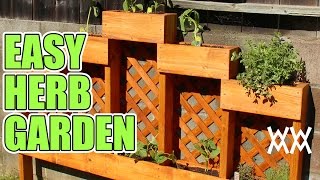
Short Summary
Main recommendation: Build a simple tiered DIY herb garden planter from 1x6 and 1x4 boards, using deck screws, a 12-inch-high stretcher system, and pre-made lattice, then finish it with deck stain and sealer. The creator says the project can be made in an afternoon and that the top holds five containers with the lower five used for climbing plants or vines, such as the beans he planted.
Key Points
- The project uses reclaimed boards left over from building a gate, which keeps material costs low.
- A miter saw is suggested as an optional helpful tool for those doing more and more DIY projects, since it has a fence for alignment and can make angled cuts for frames.
- Measure and cut each piece to fit individually rather than all at once, because real board measurements vary.
- The lower section is enclosed with pre-made lattice sheets, which the creator chose over making his own.
- Drainage holes are drilled in the bottom of each container.
Details Worth Noting
- Concrete instructions:
- Cut the two bottom stretchers to length; support long pieces on one side and trim a little off board ends since they are often not square.
- Line up two 2x4 legs by cutting the second from the first, and mark the stretcher to sit exactly 12 inches from the bottom using scrap 12-inch blocks clamped to the 2x4.
- Screw a 1x6 stretcher to the legs with deck screws, drilling pilot holes if the wood starts to split.
- Cut one 1x4 board to 66 inches to fit between the 2x4s.
- Flip the frame, use blocks to set the second 12-inch support height, screw it in from the bottom, then enclose the bottom section.
- Nail lattice with 3/4 inch brads and drill small drainage holes in each container bottom.
- Finish the whole project with a coat of deck stain and sealer once built.
- Build with either a jig saw or circular saw; a miter saw is recommended if doing many projects.
- Board sizes: 1x6 boards are 3/4 inch thick by 5 1/2 inches wide; 1x4 boards are 3 1/2 inches wide, the same width as a 2x4.
- Measurements may differ slightly between boards, so fit each piece individually.
- The speaker bolts the planter to the fence so it won't tip over and made a rustic-looking sign, shown in another video.
Bottom Line
This is a low-cost, beginner-friendly herb planter built from leftover lumber, with the main tradeoffs being careful measuring and a weatherproofing finish.