digest
Short Summary
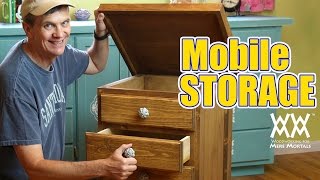
Main recommendation: Build a simple rolling cart for a benchtop table saw using scrap plywood and pine, with lockable casters and drawers, sized so the saw table matches a mobile workbench height so it can serve as an outfeed table. The video walks through framing, drawer construction, runner installation, and leveling, aimed at makers working in limited shop space.
Key Points
- The cart was built to stand under a newly purchased table saw that came without a stand, using leftover lumber from the shop bin.
- Locking casters keep the cart stable, and two drawers hold saw accessories within easy reach.
- The cart height is designed so the saw table aligns with a basic mobile workbench, letting the two convert into one outfeed setup.
Details Worth Noting
- Concrete instructions:
- Cut all frame pieces to final length using an extension fence and stop blocks on a miter saw, then join face frames with pocket screws.
- Use a spacer on the front face frame to divide the two drawers evenly; save the spacers for the side runners.
- Glue and screw the frame together from the outside, then cut plywood panels for the cabinet interior and attach them with glue and screws.
- Attach lower drawer runners so they sit flush with the front frame, so drawers slide without catching; use spacers to keep the upper runners parallel.
- Size drawers by measuring each opening and subtracting one-eighth inch, leaving a sixteenth on each side; adjust for a tighter or looser fit.
- Cut rabbets on the ends of the drawer front and back pieces using a dado stack, without changing blade height, and glue in a thin plywood bottom at the same time to square the box.
- Make false fronts to stop drawers from traveling too far back, clamp them to the face frame, and screw from the back.
- Sand the runners to 320 grit, apply paste wax to the runners and the bottom of the drawers so they slide easily.
- Screw the top and bottom pieces in place, then install locking casters.
- If the cabinet ends up short, add riser blocks under the feet to correct the height.
- The creator recommends a slight drawer-fit check: trim the drawer side if it is snug and retest before finishing.
- No finish is applied to the cart; the creator says shop projects generally don't need one, though painting is optional.
Bottom Line
A practical, low-cost way to give a benchtop table saw a sturdy, mobile home that doubles as an outfeed surface, built largely from leftover materials.