digest
Short Summary
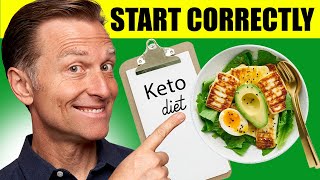
Main recommendation: The ketogenic ("keto") diet is not recommended as a general diet; the speakers advise thoughtful eating habits and lifestyle change instead, while noting keto can produce fast short-term weight loss and may help people living with type 2 diabetes, but should be discussed with a doctor before drastic changes. The keto diet, which uses very low carbohydrate intake so the body burns fat and produces ketones, originated in 1921 as a treatment for intractable seizures in children and was later adapted for weight loss and diabetes.
Key Points
- Keto is defined as a high-fat, very low-carbohydrate diet that shifts the body from using glucose to burning fatty acids, which the liver converts to ketones; the brain can use ketones for energy.
- Typical keto macronutrient split is about 60 to 70% fat, 30% protein, and 10% carbohydrate, with some versions going fully carb-free and daily carbs roughly 20 to 50 grams.
- Short-term weight loss is fast, but the speakers say most of it comes from cutting sugar, refined carbs, and ultra-processed food, and that the restrictive, boring nature reduces overeating; high protein and fat also increase fullness.
- Long-term adherence is hard, and the evidence on lipid profiles is mixed, with the speakers noting that nutrition research struggles to control what people eat.
- The diet may help people with type 2 diabetes control blood sugar, and significant weight loss can potentially reverse type 2 diabetes; research on Alzheimer's and mood disorders is described as interesting but not conclusive.
- Keto can be adapted to plant-based eating by favoring avocados, nuts, and seeds over complex carbohydrates.
Details Worth Noting
- Concrete instructions: The video gives no step-by-step keto protocol. Actionable points are: keep daily carbohydrates very low (about 20 to 50 grams, roughly one medium potato is 20 to 30 grams); aim for roughly 60 to 70% of calories from fat, about 30% protein, and about 10% carbohydrate; cut sugar, refined carbohydrates, alcohol, and ultra-processed foods, which the speakers say drive much of the short-term benefit; for a plant-based version, rely on avocados, nuts, and seeds while reducing complex carbohydrates; and talk to your doctor before making any drastic dietary change.
- Historical context: Russell Wilder began using a ketogenic diet in 1921 for seizures that could not be controlled otherwise; later, seizure medications reduced the need for starvation-style diets.
- Caution on diabetes: Type 1 diabetes can involve diabetic ketoacidosis, a dangerous ketogenic state with low blood pH that can be fatal, so the ketogenic approach is complicated in that condition.
- Triglyceride note: Reducing refined carbohydrates, sugars, and alcohol can lower triglycerides, a benefit the speakers say is not unique to keto.
- Speaker's personal example: One speaker reports cutting bad cholesterol and triglycerides by about 20% over a year on a very plant-based diet, before starting medication and returning to a balanced diet.
- The "grizzly bear diet" mentioned at the end is a joke based on a sanctuary sign describing a diet of roughly 80% vegetables and berries and 20% fish and meat; it is not a recommended plan.
Bottom Line
Keto can produce quick weight loss and may help blood sugar control in type 2 diabetes, but its long-term effects on cholesterol and sustainability remain uncertain, so any change should be discussed with a doctor.