digest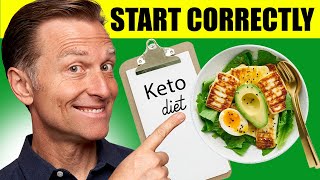
Short Summary
Main recommendation: To start keto correctly, lower insulin by cutting carbs and sugar, eating moderate low-fat-free protein with plenty of fat, and reducing the number of meals through intermittent fasting. The goal is switching from burning sugar to burning fat, not simply cutting calories.
Key Points
- Insulin is the key hormone: keeping it low lets the body burn fat, while higher insulin (triggered by each meal and each carb) keeps it burning sugar.
- Fewer meals matter more than smaller meals; you can eat larger meals as long as they are less frequent.
- Vegetables are the one carb-category exception and should be eaten in large amounts (at least seven cups), ideally first, to provide fiber for gut microbes and nutrients like potassium, magnesium, and vitamin C.
- Choose fattier protein rather than lean or powdered protein, since lean protein (like whey powder) raises insulin more than fattier meat, fish, or cheese like brie.
- Avoid seed and vegetable oils such as soy, corn, canola, cottonseed, safflower, and sunflower oil, which the speaker calls highly inflammatory.
Details Worth Noting
- Concrete instructions:
- Cut out all sugar, including honey, agave nectar, brown sugar, white sugar, and date sugar; sugar alcohols can replace it in recipes.
- Read food labels and aim for as close to zero sugar as possible; check deli meats, bacon, peanut butter, and nut butters for added sugar or dextrose.
- Avoid all fruit except raspberries, strawberries, and blackberries, which are allowed in small amounts; avoid apples especially.
- Replace wheat flour products with almond flour alternatives, and replace potatoes with cauliflower-based recipes (mashed cauliflower, cauliflower pizza crust).
- Eat about seven cups of vegetables per day, eating them first in the meal. Vegetables such as salads, bell peppers, cabbage, broccoli, kale, Brussels sprouts, carrots, tomatoes, and beets are allowed.
- Eat protein about the size of your palm (roughly three to eight ounces depending on size, metabolism, and age), from meat, fish, chicken, seafood, eggs, cheese, or nuts/nut butters if no allergy.
- Add fat to meals: avocado, butter for cooking or on vegetables, olive oil on salad, or coconut oil; adding oil to vegetables helps absorb fat-soluble phytonutrients.
- Skip breakfast, or push it later gradually; instead, have coffee with a tablespoon of butter and/or MCT oil to produce ketones and stay satisfied.
- Do not snack. If tempted to snack, add more fat to the previous meal.
- Eat only when truly hungry, meaning real need to eat (shakiness, irritability), not habit.
- Sample schedule: first meal at noon, second meal at 6 p.m., giving a six-hour eating window and 18-hour fast. Water, tea, coffee, and unsweetened drinks are fine, and vitamins can be taken.
- Around 8 a.m., a cortisol-related hormonal shift may cause a temporary appetite spike of about half an hour; the speaker advises ignoring it.
- Calories are not the goal; you can eat larger meals as long as they are infrequent.
- Protein naturally comes with fat, so you may already be getting much of your fat from protein sources.
- The speaker offers a keto consultant for US viewers with questions about products or starting keto.
Bottom Line
Starting keto correctly is less about counting calories and more about controlling insulin through low sugar and carb intake, fattier protein, vegetables first, and fewer meals with no snacking.