digest
Short Summary
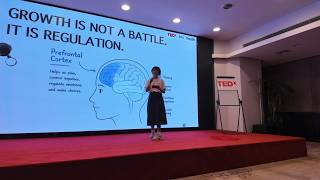
Main recommendation: Speak to be remembered, not merely to be heard, by building a distinctive "voice print" — the lasting impression your voice leaves after you stop talking. The speaker argues the key driver of a memorable voice is breath, which supplies projection, endurance, and emotion.
Key Points
- The speaker says listeners forget most voices almost immediately, but remember others for years; she argues the impact of a voice lies in what happens after the speaker stops talking, when people act and make decisions.
- The speaker argues breath is the "driving force" of a voice print: without it, she says, people strain to hear you, sentences trail off, and emotion can't travel.
- The speaker claims the reticular activating system is the brain filter that discards monotone voices, while emotive, expressive voices reach memory and engage the limbic system and mirror neurons (stated as her view, not verified research).
- In more than 20 years of guiding voices, the speaker observes that most people do speak but don't leave a voice print.
- In a "voice print confession" exercise, many callers said they had never really thought about their own voice, and several reported hurtful comments about it from family or others.
Details Worth Noting
- Concrete instructions:
- Sit up straight in your chair.
- Take a deep breath into your body, imagining your buttocks as your lungs: breathe into them, not out of them.
- Put a hand on your heart. On the outbreath, hum (the speaker counts "three, two, one, and hum").
- On a subsequent outbreath, project breath and voice toward the person in front of you, saying a big "hi" rather than spitting, so they feel the vibrations.
- The speaker recalls meeting Oprah Winfrey and remembering her few words verbatim, illustrating how a memorable voice print lasts.
- The "voice print confession phone" was a prop on a stool where people shared how they felt about their voice; prompts also covered compliments, worst public speaking memories, and moments they realized their voice's power.
- The speaker frames the "heist" metaphor: speaking should not be undetected like a theft; you want to leave evidence of yourself in others' minds.
- The talk is a personal, anecdotal presentation; the claims about brain systems are stated by the speaker and are not presented here as verified research.
Bottom Line
Your voice's lasting impact depends less on how well you're heard in the moment and more on whether listeners remember you afterward, and breath is the foundation that makes that possible.