digest
Short Summary
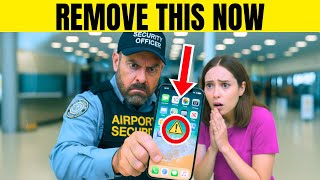
Main recommendation: Leave lithium-battery electronics such as portable power stations, hoverboards, electric scooters, and loose spare batteries out of your luggage, and check each device's Watt-hour (Wh) rating before flying, since TSA and airlines confiscate items that exceed or cannot show their rating. The video argues that many of these items look harmless but contain batteries that TSA treats as a fire risk, and that destination country rules can also lead to seizure even after you pass security.
Key Points
- The video's promised list of 15 items that get confiscated or refused at TSA:
- Portable power stations (Jackery, EcoFlow, Blue Eddie), banned from carry-on and checked luggage because popular models hit around 3,600 Wh, far exceeding the 160 Wh limit.
- Electric toothbrushes, flagged by CT scanners as dense objects with a motor and lithium battery, especially if they switch on during screening.
- Hoverboards, refused by major carriers (American, Delta, United, Southwest, JetBlue) in both carry-on and checked luggage.
- Smart luggage with a non-removable battery, which cannot fly if the battery can't be removed by hand within 10 seconds.
- Compact car jump starters, which store large lithium batteries and are often pulled from checked bags.
- Vapes and e-cigarettes, which may not go in checked luggage and whose liquids must follow the 3.4-ounce container rule.
- Drones, where spare batteries are banned from checked luggage and damaged or unrated batteries are confiscated.
- Power banks lacking a readable Wh rating, which are confiscated and cannot go in checked luggage.
- Electric scooters, banned on every major airline because they store 250 to 1,000 Wh.
- Cordless hair tools, which should be carry-on only and locked to prevent accidental activation.
- Heated clothing with a zipped-in lithium battery pack, which must be removed before checking.
- Loose spare batteries, banned from checked luggage and needing covered terminals in carry-on.
- Electric razors and beard trimmers with old, cracked, or swollen batteries, which raise flags.
- Plasma lighters, which are technically allowed in carry-on but subject to officer discretion.
- Hidden-camera spy gear (pen cameras, USB chargers with hidden lenses, clocks with cameras), which is almost always flagged.
Details Worth Noting
- Concrete instructions:
- Check the Watt-hour rating printed on the device, usually on the back, followed by "Wh". Under 100 Wh is generally fine, 100 to 160 Wh requires airline approval first, and over 160 Wh cannot fly.
- For smart luggage, confirm the battery can be removed by hand within 10 seconds; if not, do not fly with the bag.
- Use a hard case or travel lock on electric toothbrushes and cordless hair tools so the power button cannot be pressed accidentally.
- Keep vape liquid in a container under 3.4 ounces inside a small clear zip bag, and keep vapes out of checked luggage.
- Cover loose lithium battery terminals with original packaging, a plastic case, or tape, and keep spare batteries out of checked bags entirely.
- Remove the battery pack from heated clothing before checking the jacket.
- If a hoverboard or electric scooter must reach your destination, ship it by ground freight instead of flying with it.
- Replace swollen, dented, cracked, or unlabeled batteries before travel, and bring a corded hair tool if you want to avoid lock or gate issues.
- Destination rules matter: Morocco confiscates drones without prior permission, Egypt can seize them, and Cuba prohibits them. Thailand confiscated a tourist's vape after he left security, and Singapore applies confiscation and fines even to passengers in transit at Changi Airport.
- The video cites incidents, including a January 2025 power bank fire on an Airbus flight, a November 2025 power bank explosion in an airport lounge, and a July 2025 Delta flight that made an emergency landing after a loose battery caught fire, as recounted by the narrator.
Bottom Line
Before packing, check every lithium-battery device for a readable Wh rating and for removable or covered batteries, and research destination country rules, because compliance at one airport does not guarantee acceptance elsewhere.