digest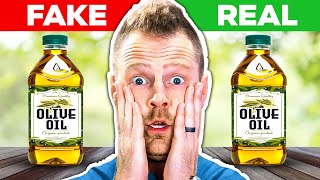
Short Summary
Main recommendation: Buy extra virgin olive oil from a single source, preferably one produced and labeled in California or the United States, and avoid "blended" olive oils because imported oils have been found to be adulterated. The video cites studies in which many imported extra virgin olive oils failed quality standards and some contained added oils such as canola (rapeseed) or sunflower/safflower oil. The speaker also suggests 100 percent pure avocado oil and coconut oil as alternatives for higher-heat cooking.
Key Points
- A University of California Davis study, done with Australian scientists, tested grocery store olive oils, including imported oils and oils produced in California.
- A 2017 Danish study reportedly found that 69 percent of international oils failed to meet international standards for extra virgin olive oil, and only 6 of 35 products tested were what they claimed to be.
- The speaker says about 60 percent of extra virgin olive oils imported into the United States had this problem, attributing it partly to weaker monitoring in the European Union.
- Adulteration can be hard to detect: the video notes that color alone is not a reliable test, though very yellow oil may suggest added oils.
- One cited incident involved a mass adulteration case in which rapeseed (canola) oil was added and made roughly 20,000 people sick.
Details Worth Noting
- Concrete instructions:
- When buying olive oil, choose extra virgin olive oil.
- Avoid bottles labeled "blended."
- Prefer oil from a single source, and if possible one from California or the United States, where the speaker says testing is tighter and about 90-plus percent of samples matched their labels.
- For high-heat cooking, consider 100 percent pure avocado oil or coconut oil, which the speaker says tolerate higher heat better.
- Do not heat olive oil to the point of smoking, since the speaker says this makes it rancid.
- Extra virgin olive oil is made by mechanical pressing rather than heating, which the speaker says is why it should be protected from heat.
- Pure extra virgin olive oil is typically green; the speaker says a noticeably yellow oil may contain other oils, though this is not a definitive test.
- People with sensitivities to canola or other oils may react to adulterated products, but most people would not notice the difference.
- The video ends with a separate grocery store tour covering cooking oils, which the speaker says is available as another video.
Bottom Line
Olive oil fraud is common enough that label choice matters: pick extra virgin, single-source, ideally California- or US-produced oil, and avoid blends.