digest
Short Summary
Main recommendation: Adopt a low-carbohydrate diet, and where appropriate a ketogenic diet, to lower chronically elevated insulin, which Dr. Ben Bikman presents as the key to controlling insulin resistance, brain glucose hypometabolism, and the risk of Alzheimer's and dementia. Bikman also says exogenous ketones (supplemental ketones) can be a short-term bridge while dietary change is established, especially for people with dementia who may resist diet changes.
Key Points
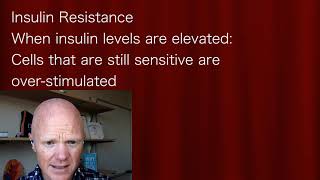
- Bikman describes brain glucose hypometabolism, where the brain uses glucose at a lower rate than before, as a shared feature of Alzheimer's, depression, migraine, and epilepsy with seizures, and says it is likely linked to insulin resistance in the brain.
- He calls Alzheimer's "type 3 diabetes" but says he doesn't like the term, since it suggests a new form of diabetes when the reality is brain insulin resistance.
- In an unpublished manuscript under review, post-mortem brains of people with Alzheimer's showed reduced genes and proteins for glucose uptake and use, but no reduction in ketone uptake and use.
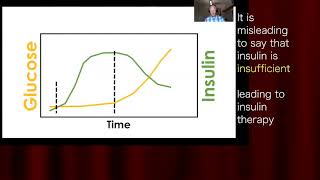
- Bikman says chronically elevated insulin from frequent starchy, sugary eating keeps ketones from forming, because ketones are only made when insulin is low.
- Bikman says low-carb diets lower insulin and fat mass more effectively than low-fat diets, even when calories are not restricted.
- He says insulin-resistant people showed no response to low-fat diets but substantial responses to low-carb diets, and he credits the American Diabetes Association's acknowledgment of low-carb diets as a major shift.
Details Worth Noting
- Concrete instructions: The transcript gives no step-by-step protocol, dosage, amounts, or timing. The actionable advice it does give is: shift toward a low-carbohydrate or ketogenic diet to reduce insulin; avoid frequent starchy, sugary foods and constant snacking, including late-night snacking, which keep insulin chronically high; use dietary change as the main approach for insulin resistance; and, as a stopgap, consider exogenous (supplemental) ketones to raise ketone levels quickly, with a caveat that the speaker described this mainly for dementia patients who struggle with diet change.
- In the case studies Bikman cites, exogenous ketones were used to push people into a deeper state of ketosis quickly, and participants' mental fitness and ability to communicate and get dressed improved; he says these were published in the biomedical literature.
- The low-fat versus low-carb comparison he cites was split by insulin sensitivity: insulin-sensitive people responded modestly and equally to both diets.
- Bikman says he changed his view over about 10 years, from opposing low-carb diets to supporting them after reviewing insulin-resistance research and confirming insulin's role in his own lab.
- Dr. Nicola Guess, mentioned in the conversation, is cited for the view that weight loss accounts for about 90 percent of type 2 diabetes reversal.
- These are the speaker's claims from an interview, not professional medical advice; the manuscript findings are described as not yet published.
Bottom Line
The interview frames insulin control, not just calorie control, as the central lever for brain and metabolic health, with low-carb eating as the main tool and ketones as a possible supplement, though the speaker's evidence is his own account of studies.