digest
Short Summary
Main recommendation: Don't start a diet by cutting calories; first get used to eating foods you enjoy, including protein, which the speaker treats almost like "free calories," and adjust later if progress stalls. The speaker argues that calories are an oversimplified measure of energy, and that hormones are the more important variable in how the body uses food.
Key Points
- The speaker, Benjamin Bikman, calls the inclusion of calories in nutrition science "one of the greatest travesties of modern-day science," arguing it belongs to physics and thermodynamics rather than how the body actually works.
- The idea that the body converts energy with perfect thermodynamic accuracy is described as a "total fallacy," since hormones strongly shape what the body does with consumed energy.
- "Eat less, exercise more" is called a harmful maxim that ignores hormones.
- Calories still matter, since total food amount is relevant, but the speaker argues hormones are the more relevant variable.
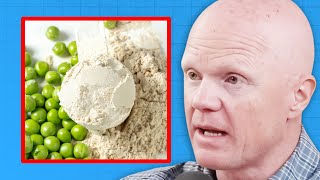
- Protein should not be treated as a calorie equivalent to glucose, because digesting and absorbing it costs more energy and the body rarely gets usable energy from it.
Details Worth Noting
- Concrete instructions:
- If you are new to dieting, don't begin by cutting calories; get used to your current foods first.
- Eat freely of foods you like, such as apples, yogurt, or protein, without strict restriction at the start.
- Treat protein as a food with minimal calorie concern, as the speaker suggests, and revisit food shifts later only if progress is not what you want.
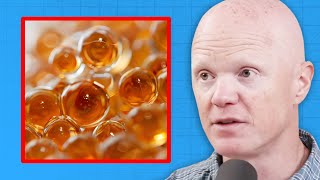
- If protein upsets your stomach, try eating it with some fat; the speaker says this usually makes it feel better.
- Prefer whole food sources of protein, which naturally contain fat, over isolated protein powders such as whey scoops.
- The speaker says protein's energy cost during digestion and absorption is higher than glucose's, which is why assigning it equal caloric value is "absolutely silly."
- Protein only supplies energy through conversion to glucose in the liver in rare cases, such as deep starvation after fat stores run out, which the speaker says almost nobody reaches.
- The speaker says bile acids enhance protein digestion, which is his reasoning for pairing protein with fat.
- He ties the "eat less, exercise more" idea to a claim that if it worked, the problem would have been solved 50 years ago.
- These are the speaker's opinions and claims, not professional medical advice.
Bottom Line
Calorie counting may be a weak starting point for dieting, and the speaker's view is that hormonal effects and food form, especially protein paired with fat, deserve more attention than simple energy math.