digest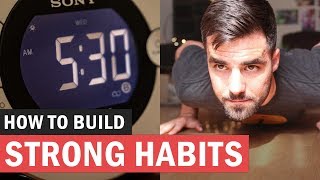
Short Summary
Main recommendation: Build new habits by using if-then conditional logic, pairing the habit you want to start with something you already do every day, and redesigning your environment and tools so the habit is triggered automatically and is easier to do. The video frames this as a way to solve both the remembering problem and the laziness problem that most viewers cited as their biggest obstacle.
Key Points
- The core mechanism is the "if-then" statement: "if I do X (an existing daily action), then I do Y (the new habit)," borrowed from conditional statements in programming and game design.
- The speaker compares ideal habits to a triggered ability in Magic: The Gathering (like Man o' War, which fires automatically) rather than an activated ability (like Birds of Paradise, which requires deliberate action).
- Our brains are not computers, so there is no foolproof way to make a habit fully automatic; the goal is to make the habit more like a triggered ability by setting up your environment.
- Environmental design is the key method: arranging your living space and tools so that your habits are both reminded and easier to perform.
- Reminder tools like task managers or calendar apps only solve the remembering half of the problem, while environmental triggers address both remembering and laziness.
Details Worth Noting
- Concrete instructions:
- Identify something you already do every day (ideally several times a day) to serve as the "if" part of the statement.
- Attach the new habit as the "then" part, so the trigger happens automatically.
- Place physical cues in your path: the speaker put a doorframe pull-up bar in his office doorway and did five pull-ups every time he walked in.
- Make the habit require movement or extra steps: the speaker kept his alarm under his coffee table, forcing him to get down on the floor to turn it off, then doing push-ups while already on the ground.
- For computer-based habits, set your computer's startup settings to automatically open your favorite writing program when you turn it on, and pair this with an app like Freedom to block your browser and games during that time.
- Task managers or calendars can still be used for reminders, but environmental design is what solves both the remembering and laziness problems.
- The speaker notes that the military mess-hall example (five pull-ups before entering to eat) is a similar idea he learned from his father, a former military member.
- The speaker acknowledges the method is not foolproof: he could simply get up and skip the push-ups, so the setup makes the habit easier but does not guarantee it.
Bottom Line
Stop relying on willpower or reminder apps alone; deliberately attach new habits to existing routines and physically design your surroundings so the habit happens with less effort.