 digest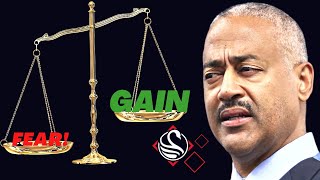
Short Summary
Main recommendation: Address what the other side is afraid of losing before pitching your benefits or value proposition, because fear of loss is the single biggest driver of human decision making and behavior. The speaker argues that most people lead with gains and then wonder why they get pushback. Fear of loss outweighs opportunity, whether the loss is of revenue, reputation, face, respect, or dignity.
Key Points
- Loss aversion means people value what they already have more than what they could gain, so they will defend it more strongly than they will chase something new.
- Fear can narrow your ability to see opportunities, so decisions often hinge on what could be lost rather than what could be gained.
- The speaker frames this as one of the top laws of negotiation, which he compares to gravity: it works whether or not you understand how it works.
- Many people do not recognize they are in a negotiation, and the speaker says that is the most dangerous kind.
- Your tone of voice can induce emotional reactions in others and strongly shapes whether they decide they like you.
Details Worth Noting
- Concrete instructions: Before pitching benefits, identify and name what the other party stands to lose under each option, and address that fear directly. Use a quick test to tell if you are negotiating: if the words "I want" or "I need" are in your head or the other person's head, you are in a negotiation. Treat everyday situations, such as getting a child to eat vegetables or choosing a restaurant with a partner, as negotiations too. Pay attention to your tone of voice, since it can raise or lower the other person's emotional reaction.
- The speaker says this is one of their top ten 'laws of negotiation' and that participants will hear him return to the fear-of-loss principle repeatedly over the next eight weeks of the course.
- The speaker cites an anecdote attributed to a website (postsecrets.com), where a barista's anonymous secret, sent in on a Starbucks cup, was that they give decaf to people who are mean to them, used to illustrate the idea that the most dangerous negotiation is one you do not know you are in.
- The speaker acknowledges that some negotiation effects are not fully understood scientifically, but says they are still backed by science and should not be dismissed because the mechanism is unclear.
Bottom Line
Lead with the other side's fear of loss, not your pitch, and recognize everyday exchanges as negotiations where tone and loss framing matter.


