 digest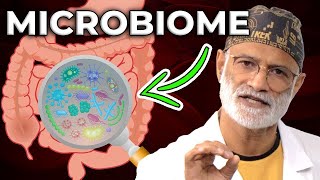
Short Summary
Main recommendation: Protect and foster the gut microbiome from birth, especially in infancy, because early gut bacteria shape immune and brain development and disease risk later in life. The speaker argues that antibiotic overuse, C-sections, and poor early diet disrupt this balance, and that the damage can be passed down to the next generation.
Key Points
- Human gut bacteria are acquired mainly during birth through the birth canal, then reinforced by breastfeeding and close family contact.
- The speaker says humans outsource much of their biochemistry to gut bacteria, which can mutate and adapt far faster than human genes.
- Dr. Jamnadas says early antibiotic courses and a depleted microbiome are linked to asthma, autoimmune disease, rheumatoid arthritis, and type 2 diabetes.
- The speaker says animal studies suggest disruption to the microbiome in the first year can have lifelong effects, and that a less diverse microbiome may be passed to the next generation.
- The speaker says early gut bacteria are linked to brain development, citing germ-free mice studies he says show the mice never fully recovered when bacteria were introduced after a critical early window.
Details Worth Noting
- Concrete instructions: The transcript gives no step-by-step protocol, dosage, or product list. Its actionable points are to avoid unnecessary antibiotics in infancy and to feed the gut bacteria through fiber in the diet, since the speaker says the right fiber attracts the right bacterial population in adults.
- The speaker says breast milk contains oligosaccharides, complex carbohydrates that babies cannot digest but that feed beneficial gut bacteria.
- The speaker states that a C-section gives a smaller bacterial load than vaginal birth, and that close contact such as holding, caressing, and breastfeeding transfers family microbes to the baby.
- The speaker says even the CDC has stated that up to three quarters of antibiotics are prescribed for non-bacterial (viral) infections, and he suggests many probably should not be prescribed.
- The speaker describes the gut microbiome as a commensal (symbiotic) relationship in which bacteria and the host work together, and the talk frames this as health advice in a general sense, not medical advice to any individual.
Bottom Line
Dr. Jamnadas argues early-life gut bacteria influence immune, metabolic, and brain development, so he believes protecting them in infancy and childhood may matter for long-term health. The claims about specific diseases and brain effects come from the speaker's summary of animal and human studies, not from data shown in the transcript.


